

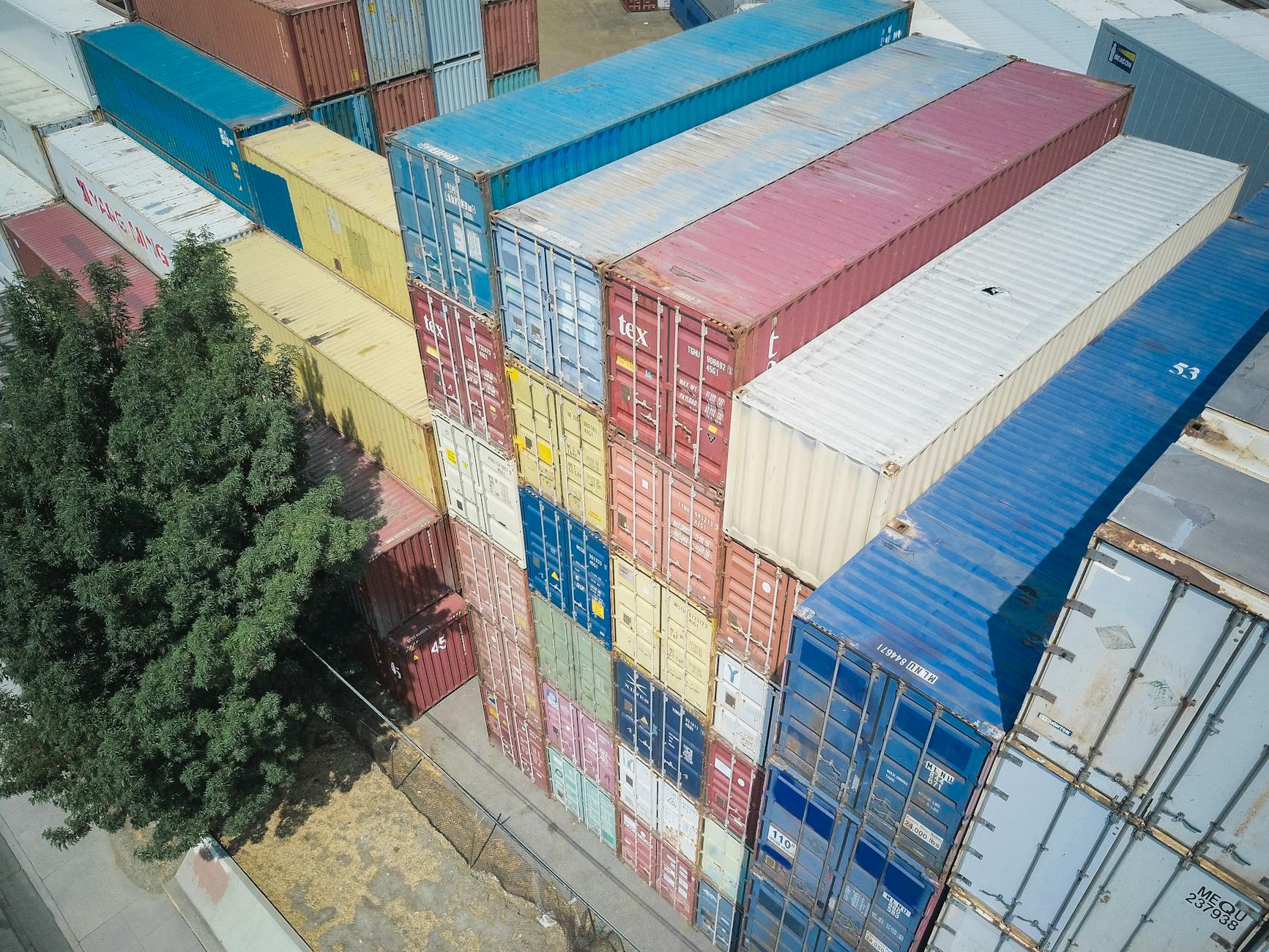
Every website on a Webfort hosting plan now runs in its own isolated container. Hosting accounts have always been isolated from each other on our platform. What’s changed is that the isolation now reaches inside each plan: addon domains used to share their parent account’s container, and from today they don’t.
It’s a big upgrade. The last shared boundary in our hosting setup has gone, and every site you host with us now sits behind its own walls.
The Announcement
Webfort hosting accounts have always been isolated from each other. One customer’s plan has never shared a container with another customer’s plan. That part isn’t new.
The change is inside the plan itself. If your hosting allows multiple websites, the extra ones used to attach as addon domains under the parent account. They had separate folders and separate domains, but they sat in the same container. From today, every website on the plan gets its own container instead.
It’s a sizeable improvement, and we’re proud of it. Isolation between accounts was already in place; isolation between sites within an account is the piece that’s just landed. The control panel still looks the same. SSL, email, backups and WordPress tools all behave the way you expect. The change sits underneath, where the boundary between sites now matches the boundary between accounts.
If you already host with us, you don’t need to do anything. New sites you add use the new model automatically. Existing sites continue to run, and we’ll be in touch about migrating addon domains onto the new structure.
For background on the platform shift that made this possible, see our post on why we left cPanel and what we chose instead.
The Old Addon Domain Model
Traditional shared hosting bolts extra websites onto a parent account. You buy a plan, you get a primary domain, and any further sites attach as addon domains pointing at subfolders. From the outside they look independent. Inside the server, they share file ownership, runtime and account-level limits with the primary site.
That’s how Webfort handled multiple sites until now too, and it’s the standard model across the wider hosting industry. For one small brochure site with a side project or two, it usually held up fine.
It struggles when sites grow apart. A WooCommerce store with sudden traffic, a forgotten WordPress install with an out-of-date plugin, a busy blog publishing daily: under one shared container, those workloads bump into each other. Performance, security and clean-up all get harder than they should be.
The New Isolated Container Model
Each website on your plan now lives in its own container. The container is its own runtime, its own files, its own resource boundary. Your sites still run on shared infrastructure, but two sites on the same account no longer share a box.
Picture it as separate offices in one building rather than several teams sharing a single open-plan room. The building still supplies power and network. Each office has its own door.
That separation buys you three things:
- Performance: a cleaner resource allocation per site.
- Security: a stronger boundary if one site gets compromised.
- Management: faster troubleshooting, migrations and clean-ups.
It isn’t a dedicated server per site. It’s a sensible boundary that addon-domain hosting never had.
For more on the platform underneath, read our small business guide to Enhance or visit Enhance.com.

Performance Impact
Speed depends on theme, plugins, database, images, caching and traffic. Hosting sets the floor. The server still has to process every request before a visitor sees a pixel.
When sites share a container, one site’s noise reaches the others. A plugin update on Site A consumes CPU that Site B was about to use. A traffic spike on Site C eats memory across the account. The server had headroom; the account didn’t.
Per-site containers fix the bottleneck at the account level. Run a WordPress site, a small ecommerce shop and a brochure site on the same plan, and each one gets its own boundary. If one slows down, the others keep their footing, and we can look at the affected container directly.
For front-end speed work, pair this with our guide to Core Web Vitals. Hosting isolation gives you a stronger base; caching and front-end tuning take it further.
Security Impact
This is the upgrade we’re proudest of. Account-to-account isolation was already in place, so a compromise on one customer’s plan never reached another’s. The remaining risk lived inside a single plan: if you ran several sites on it, a problem on one could touch the others.
WordPress makes the point clearly. An old plugin on a forgotten addon domain can become the door someone walks through, and once they’re inside, the rest of the account is within reach.
Per-site containers shrink that blast radius. A problem on one site stays inside that site’s container. It doesn’t replace good security habits, but it stops one weak link pulling everything else down with it.
You should still keep WordPress patched, drop unused plugins, use strong passwords and run SSL everywhere. Our step-by-step WordPress security guide covers the practical checklist.
Investigation gets cleaner too. If we need to look at malware or odd files, the affected site sits in its own container, and clean-up doesn’t drag your other sites into it.
Resource Separation
Different sites carry different workloads. A local business site receives steady office-hours traffic. A WooCommerce store spikes when a promotion goes live. A blog draws on resources during publishing and plugin updates.
Under the addon model, those workloads sat side by side in one account box. Under the new model, each site has a boundary around its own usage. That helps in everyday situations:
- Traffic spikes: a busy site is less likely to slow your quieter ones.
- Plugin issues: a heavy plugin stays tied to the site running it.
- Maintenance: updates and fixes stay scoped to one site.
- Growth planning: you can see which site needs more attention or a bigger plan.
For agencies and freelancers running client sites on one account, that’s a structural upgrade rather than a cosmetic one.
What It Means for Customers
If you’re already with us, the upgrade lands quietly. Future sites you add use the new model. Existing addon domains keep running while we plan migrations.
If you’re new, you get the new model from day one. Add a site to your plan and it provisions as its own container. No extra steps, no separate plan to buy.
This is built for you if you:
- run more than one WordPress site
- manage websites for clients
- want stronger separation between projects
- care about performance and security
- have outgrown basic addon-domain hosting
Comparing options? Our guide to shared vs VPS vs dedicated hosting shows where each one fits. Per-site containers give shared-hosting customers a cleaner middle path: simple to manage, properly separated, no full VPS to babysit.
Addon Domains vs Isolated Containers
| Feature | Old addon domain model | New isolated container model |
|---|---|---|
| Account-to-account isolation | Yes, always in place | Yes, always in place |
| Site-to-site isolation within a plan | Sites shared one container | Each site gets its own container |
| Security boundary between sites | Weaker separation | Strong per-site isolation |
| Resource usage | Sites compete inside the same environment | Cleaner resource separation per site |
| Troubleshooting | Issues hard to trace across multiple sites | Problems stay scoped to one website |
| Best fit | Simple low-traffic sites with minimal needs | Multi-site hosting, WordPress, agencies, growing businesses |
Final Thoughts
Webfort hosting plans have always been isolated from each other. With this change, the isolation now reaches every site within a plan as well. Addon domains are gone, and each website you host with us has its own container, its own resources and its own security boundary.
It’s a substantial upgrade and one we’ve wanted for a long time. If you run several sites, manage client work or want a faster, safer setup than addon-domain hosting was ever designed to give, the new structure is ready for you today.
Want to move? Take a look at our web hosting plans or get in touch about migrating your sites to Webfort.
1 comment
Comments are closed on this post.



[…] so other customers’ sites cannot drag down your performance or take you offline. Our post on isolated web hosting containers covers how this works in more detail. The Enhance control panel keeps day-to-day management within […]